
Educational exploration of plant-derived elements supporting vitality and well-being in later years
Men over 40 experience natural changes in metabolism, hormonal patterns, and physiological processes. From a nutritional science perspective, understanding these age-related shifts allows for more informed approaches to sustained vitality and well-being. Rather than viewing aging as decline, contemporary science recognizes aging as a complex process offering opportunities for proactive wellness practices.
Natural aging involves changes in nutrient absorption, metabolic efficiency, and the body's capacity to manage oxidative stress. A comprehensive approach integrating appropriate nutrition, lifestyle practices, and botanical support can meaningfully influence how these processes unfold.
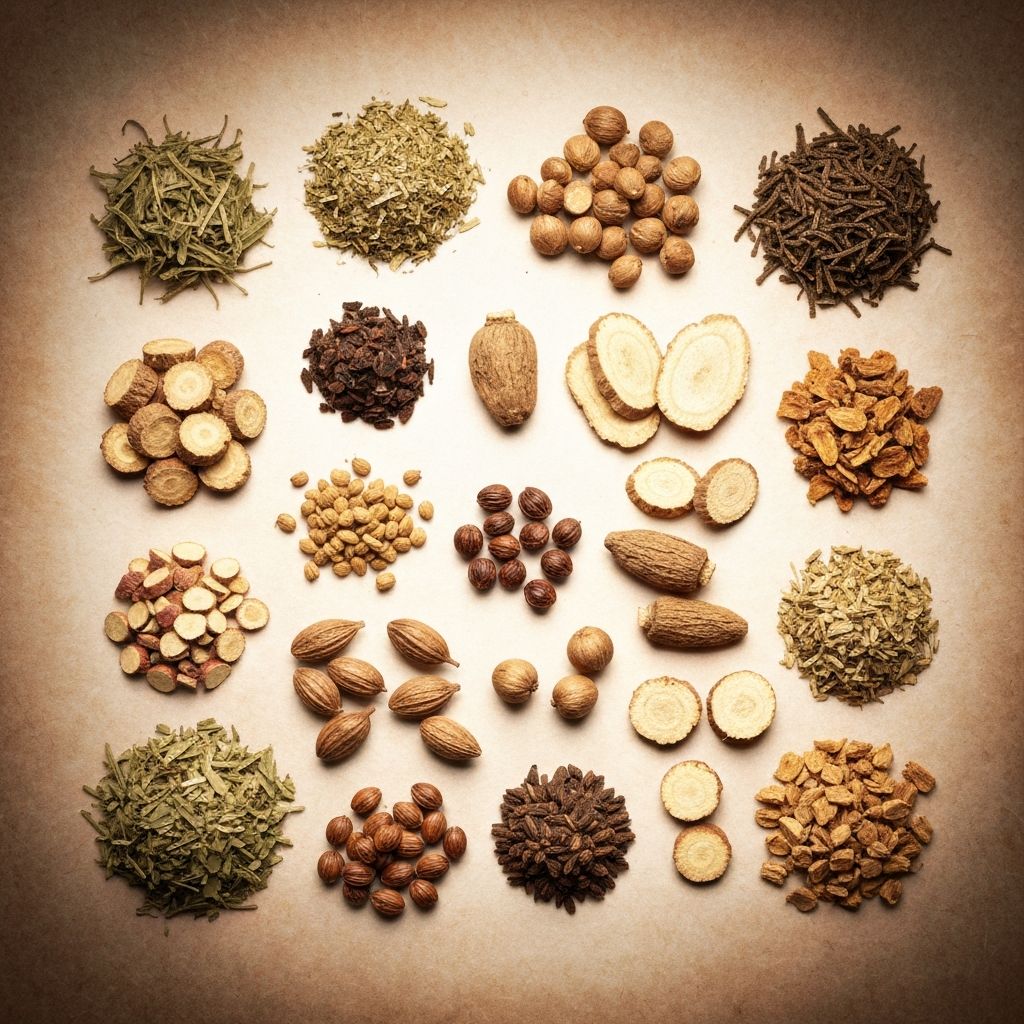
Plant-derived elements provide essential micronutrients, phytonutrients, and bioactive compounds supporting fundamental physiological processes. For men beyond 40, diverse plant food intake ensures adequate supplies of:
The following botanicals are commonly discussed in nutritional and scientific contexts for their potential roles in supporting men's health and vitality:
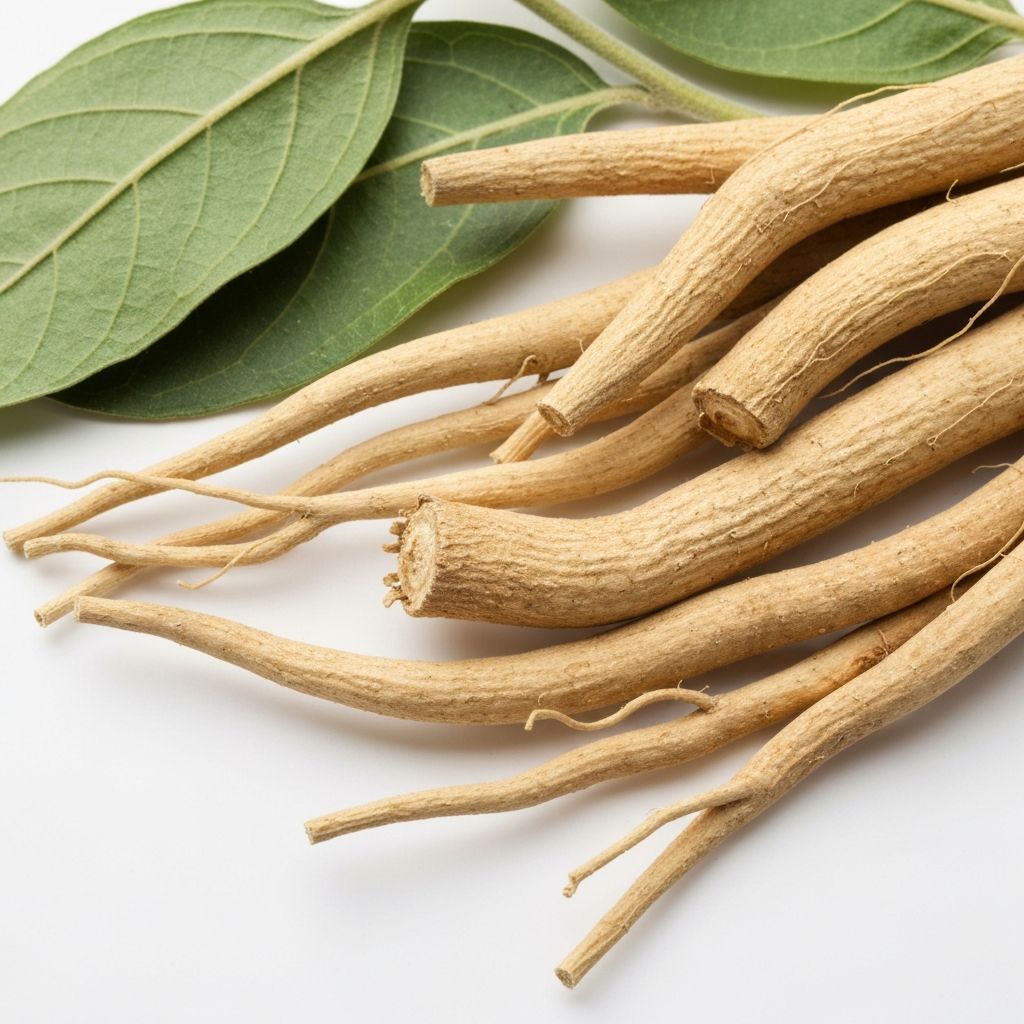
An adaptogenic herb traditionally used in Ayurvedic medicine. Contains withanolides studied for their influence on stress responses, physical resilience, and general vitality. Scientific research explores its role in supporting energy and well-being, particularly relevant for men navigating age-related changes.
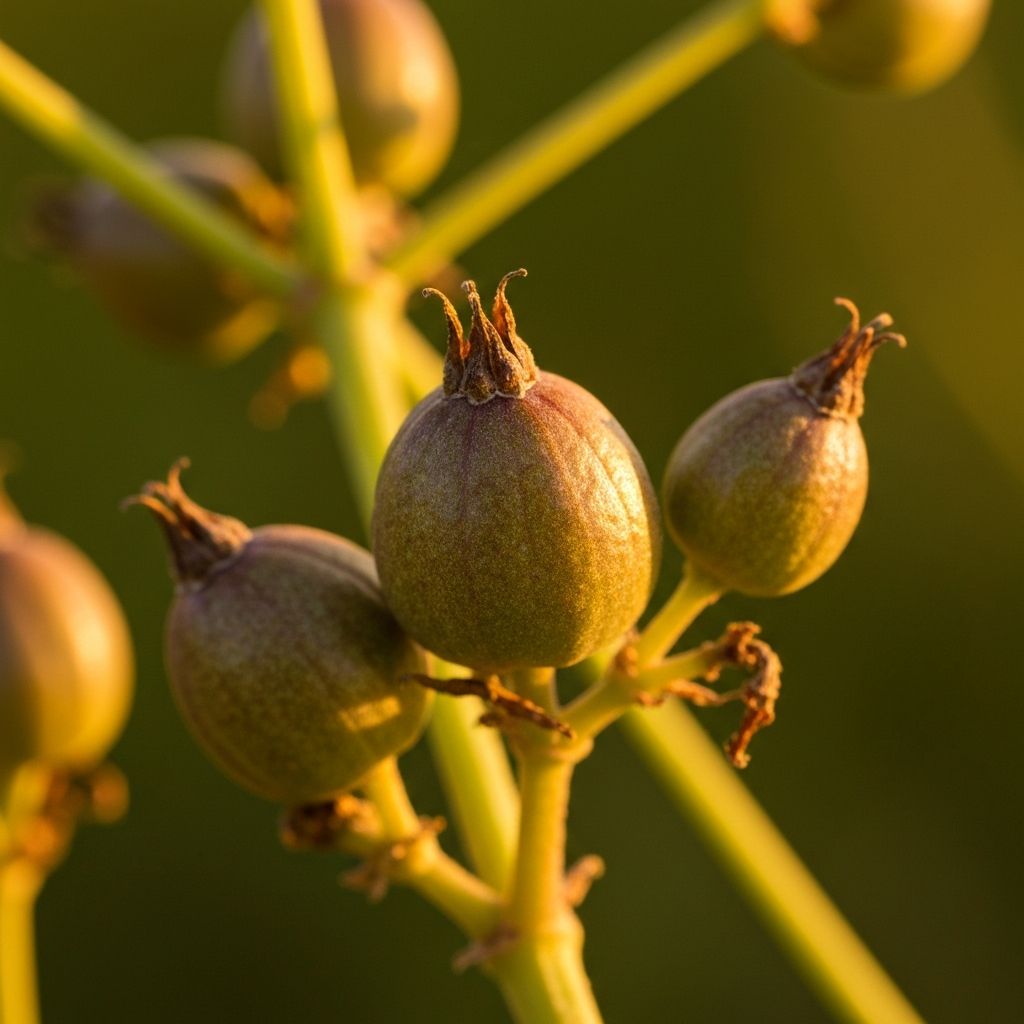
A plant with traditional use across multiple cultures for vitality and physical performance. Contains saponins and other compounds studied for their biochemical properties. Contemporary research examines its influence on physical capacity and general wellness in aging men, particularly in contexts of athletic performance and everyday energy.

A Peruvian tuber with centuries of traditional use. Rich in amino acids, vitamins, minerals, and glucosinolates. Scientific interest focuses on its nutritional density and role in supporting general vitality, energy, and well-being particularly in aging populations seeking natural nutritional support.
Metabolic rate gradually decreases with age due to natural reductions in muscle mass, changes in hormonal patterns, and shifts in cellular efficiency. Understanding these changes allows for more thoughtful nutritional and lifestyle adaptations:

Rather than relying on isolated botanical compounds, scientific approaches emphasize comprehensive nutritional strategies incorporating diverse plant foods:
Include varied plant-based proteins: legumes, seeds, nuts, whole grains. Plant proteins provide amino acids plus additional phytonutrients and fiber. Combine different sources throughout the day for complete amino acid profiles.
Emphasize colorful produce: berries, leafy greens, cruciferous vegetables. Different colors indicate different phytonutrient families. Variety ensures comprehensive antioxidant and anti-inflammatory support.
Zinc from seeds and nuts, magnesium from leafy greens and legumes, selenium from whole grains. Each mineral plays distinct roles in metabolism, immunity, and cellular function. Food sources provide synergistic nutrient combinations.
Prioritize whole plants over isolated extracts. Complete plant matrices provide compounds working synergistically. Whole foods offer fiber, textures, and satisfaction supporting sustainable dietary practices.
Botanical and nutritional support works within broader lifestyle context. Sustainable vitality emerges from integrated approaches addressing multiple factors:
Regular movement maintains muscle mass, supports metabolic efficiency, and preserves mobility and function. Botanical support enhances recovery and resilience when combined with appropriate physical activity. Age-appropriate exercise adapts to individual capacity while maintaining consistent engagement.
Quality sleep becomes increasingly important for cellular repair and hormonal regulation. Consistent sleep patterns, adequate duration, and good sleep hygiene form foundation for wellness. Botanical elements support general health but cannot substitute for restorative sleep.
Chronic stress influences metabolism, immune function, and accelerates aging processes. Practices like meditation, deep breathing, nature time, and social connection manage stress levels. Adaptogenic botanicals support stress response but work best within comprehensive stress management approaches.
Relationships, community engagement, and meaningful social interaction significantly influence overall well-being. Strong social connections support psychological health, which influences physical health. Community and connection represent fundamental wellness dimensions beyond nutritional approaches.
Translating botanical and nutritional knowledge into daily practice requires thoughtful, gradual approaches:
No universal approach works identically for all men. Genetic variations, health histories, medications, lifestyle factors, and personal preferences mean nutritional and botanical approaches must be personalized. Effective wellness practices: